Anti Aging Nutrition News
Circa 2008 -2012
This website has been restored and archived for use in Dean Heller's seminar series entitled Unraveling Nutrition Myths. This nontraditional full credit course is an example of the university's effort to incorporate internet content into the mainstream curriculum. Student may wonder why the icon for the course features the symbol of the Dark Knight - the Batman sign. Mr. Heller uses many Batman related themes and memes in his lecture because he feels that Batman's philosophy of helping others is key to discovering the most productive route to knowledge. It has become a tradition for him to wear a Batman sweatshirt for the first lecture of each semester and students are encouraged to follow suit as a shirt is the entry requirement for BatFest. If you don't already have a Batman shirt, there's always this online Batman apparel store stocking Batman gear. They have also posted articles on his course promoting his efforts to build nutrition awareness in their Eat Smart national campaign to fight obesity, and the school benefits from student discount purchases. Students may download the entire reading list from his university web page. It's also available in paper form from his office. This series is always overbooked, so students are advised to sign up early.
For a number of years this was the Anti Aging Nutrition News website created to provide its visitors with the latest research, tips and resources for getting the most out of life after 40
Content is from the site's 2008 -2012 archived pages.

Are You Concerned About Anti Aging Nutrition?
If you are over 30, you should be!
Let's face it- aging is a fact of life. Growing old gracefully is a lovely thought, but in today's fast-paced, youth-oriented society, you have 2 choices:
-
Sit in your rocking chair and watch the world go by, or

- Enjoy a full, rich life in great health with lots of energy.
Which one will YOU choose?
The market is flooded with anti-aging news and products. Finding the fountain of youth has been a dream of men for centuries and scams have been around since the snake-oil salesmen. While there are still plenty of scams, significant strides HAVE been made in the anti aging nutrition field.
The basics still hold true:
The RIGHT diet and plenty of exercise.
Studies have shown that certain foods and certain types of exercises work better on the aging body than others. Start with the basics here.
- Vitamins and supplements
- Which foods work faster?
- What is an antioxidant?
- Do I need hormone replacement therapy?
Then learn about other important factors:
How To Use This Site
by GiGi
If you are new to Anti Aging Nutrition News, welcome! It is likely you came here looking for specific information. Prior to this new site design, it may have been a little difficult making sure you got all the information. This new format should alleviate some of those problems.
The site has grown even beyond my expectations, so in combining the old design with the new, I’ve made this handy site guide.
First, if there is a specific subject you are looking for such as “Vitamin K“, then first try typing it in the search box you see in the top right corner. If you can’t find what you want there, then send me an Email and ask me “Why don’t you have any information on Vitamin K?”
If you are looking for general information on a broader topic such as Antioxidants, then look under the categories listed above in the blue menu bar. I will be working on moving the older posts into more appropriate categories.
If you are new to Anti Aging and are wondering what it’s all about, you should definitely get the free report Healthy Aging. You can’t miss the big blue sign up arrow on the right. That also will keep you updated on new information and posts.
After that I would suggest reading Do You Need Anti Aging Supplements? followed by
What To Do Before You Start An Anti Aging Supplement Program. I’ll add links to the articles on specific supplements as I write them.
I hope that helps you get started.
About
My name is GiGi and I am the author of Anti Aging Nutrition News as well as other health related sites.

If you are over 40 like me (okay, fine…over 50), you’re probably already feeling the effects of aging and are looking for a healthy yet effective way to enjoy this time of your life without feeling old and tired all the time.
My job is to provide you with the latest research, tips and resources for getting the most out of life after 40.
I appreciate any feedback and requests you have about aging in general. My focus is nutrition, supplements, exercise, stress, and mental focus.
Also, you may be interested in the free ebook “Healthy Aging“, which includes email updates from my blog posts as I make them. The blog posts go into more detail and cover the latest research. If you want to stay informed, be sure to check out the blog.
You may be interested in some of my other sites:
Wishing you the best in healthy aging!
P.S. And yes, I was 50 in that photo!

ARTICLES/ BLOG POSTS
The Major Differences Between Nutritionists and Dietitians
by Gigi
You’ve probably heard the titles “nutritionist” and “dietitian” thrown around, but you may not be sure what exactly nutritionists and dietitians do and what credentials they have. Both nutritionists and dietitians are connected to the overall field of nutrition, but what they do and what credentials they have differ. Here’s what you should know about the major differences between nutritionists and dietitians:
Author’s Bio: Carolyn is a guest blogger on the subjects of medical education, medical careers, and nutritionist schools. She let me know that both dietician and dietitian were correct spellings – something else I didn’t know!
Dietitians
In order to practice as a dietitian, you have to have the title of a Registered Dietitian (RD). To become an RD, you have to first get a four-year college degree dietetics or nutrition, and then you have to complete an American Dietetic Association approved training program, which usually lasts a year or two. During the training program, you have to take part in an internship under the supervision of an RD. Additionally, you have to pass a test administered by the American Dietetic Association after you complete the training program and internship.
Once you’re licensed as a dietitian, you can choose to work at schools, hospitals, nursing homes, and other, similar places to help plan nutritious meals and advise people (usually patients) about what food choices to make based on their unique dietary requirements. Some RDs also conduct nutrition research at universities and for food manufacturers.
Nutritionists
There are no specific licensing requirements for nutritionists. Typically, those who are gainfully employed as nutritionists have a four-year degree from a college or university in nutrition. Degreed nutritionists usually work at public health agencies and non-profit health organizations to help people in communities eat healthier and become more educated about nutrition.
Nutritionists without degrees exist, but their careers are usually a bit different than the careers of degreed nutritionists. For instance, a personal trainer with years of firsthand experience witnessing how certain nutritional changes affect weight loss may take on the title of nutritionist and provide people with guidance about what foods to eat to help promote weight loss. Although you may find the advice of such a nutritionist useful, it’s generally a good idea to speak with a doctor and/or a registered dietitian before changing your diet in any way.
Nutrition is a fascinating field, and both dietitians and nutritionists can enjoy a lot of fulfillment in their chosen career paths!
+++
Purple Potatoes for Lower Blood Pressure
by GiGi
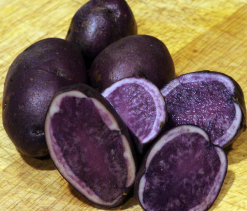
A new study came out last month that showed purple potatoes may lower blood pressure in overweight people. Okay, let’s break this down and see what the study REALLY says..
First, the sample size was pretty small…only 18 overweight people who had high blood pressure.
Second, they were asked to microwave 6 -8 small purple potatoes with skins on for lunch and dinner (about 215 calories total) for 4 weeks.
Half the participants had the purple potatoes – half did not – for 4 weeks. Then they switched.
Results?
Across the board – during the purple potato regime, participants blood pressure dropped 3-4% in both diastolic and systolic measurements – without gaining weight!
Even on those already taking blood pressure medication!
Pretty impressive – but of course, a larger study needs to be done.
Purple potatoes have a higher level of polyphenol antioxidants than white potatoes, which may help explain it, although some researchers think it may work with other potatoes, too.
The trick of course, is not to cook them in a way that depletes all those good antioxidants, which is why they microwaved them.
And don’t forget – they ate them twice a day for 4 weeks to get that 3-4% drop.
I would hope that other methods – like roasting with herbs and a little olive oil, would work, too. Because plain microwaved potatoes just have no appeal to me. And since I’m currently on a pretty low-carb diet, I’ll probably pass on this anyway. I might have them as a treat sometime – but EVERY day? I think not…
For those of you interested in getting purple potatoes, I hear Whole Foods and Costco carries them.
+++
Guest Post – Cancer Prevention Nutrition
by GiGi

It is not always easy to make good cancer prevention nutrition choices even when healthy, so making them while dealing with a long-term or fatal illness can be twice as difficult. Unfortunately, the risk of serious diseases increases with age. As one example, symptoms of mesothelioma, a deadly cancer of the lining of the lungs, can take from 20 to 50 years to manifest, meaning the average mesothelioma patient is 60 to 70 years old. While there is no cure for this type of cancer, eating well can allow for the best chance of staying healthy for as long as possible.
This guest post is from Eric Stevenson- a health and safety advocate who resides in the South Eastern US. Please feel free to get in touch with him if you have any questions about this article at Eric Stevenson Contact.
One of the most important choices you can make is incorporating more fruits and vegetables into your diet. The American Cancer Society, the Center for Disease Control and Prevention, the National Cancer Institute, and more all stress the importance of eating colorful fruits and vegetables, which have numerous beneficial nutrients. Phytochemicals are a class of compounds found in plant matter. Some of these chemicals are anti-oxidants, which can help prevent damage to cells and tissues created by oxidation reactions. This damage is a significant factor in aging as well as the development of cancer, so phytochemicals and anti-oxidants are an important part of any diet.
Other cancer prevention nutrition items include folate, also known as folic acid and vitamin B9, and dietary fiber. It should be noted that these nutrients, especially anti-oxidants, need to be consumed in their natural state – in food, rather than in supplements. In clinical studies, simply taking pills containing carotenoids or lycopene does not produce the same health benefits as eating carrots or tomatoes. It may well be that the anti-oxidants require some other substance in the fruit or vegetable to be properly used by the body.
Even the best diet won’t protect against all forms of cancer or other illness. However, maintaining proper nutrition even while ill is important to preventing secondary conditions such as infection, as well as retaining energy and a positive outlook on treatment. Sometimes treatments such as radiation and chemotherapy can be nearly as difficult on the body as the cancer itself, and the National Cancer Institute stresses the importance of diet in maintaining strength and getting the full benefit of the treatment.
Although mesothelioma life expectancy is low, with only a 10% survival rate five years from diagnosis, the proper balance of vitamins, minerals, protein, carbohydrates, fats, and water can, at the very least, help mitigate the symptoms of cancer and the side effects of treatment. Put simply, eating right and incorporating these cancer prevention nutrition tips can help you feel better, even if you’re facing serious illness.
+++
TA 65 Supplement – What About the Competition?
by GiGi
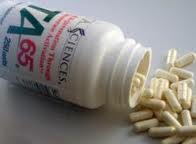
As someone that does a lot of blog posting about anti aging and the TA 65 supplement, I sometimes get emails from competitors trying to get me to promote their product – which is “the same as” or sometimes “even better” than TA 65. They often cite “scientific studies” that have been done.
I’m not here to say which product works better or is cheaper or is “longer lasting”. But I ran across this interesting post from Dr. Dave about the subject.
You might remember Dr. Dave from this post I did: TA 65 – Response from Dr. Dave Woynarowski. He wrote the book on TA 65 – called The Immortality Edge.
He has taken the time to check out a lot of the competition and in a very frank blog post, has summarized his findings.
Those of you interested in exploring some of the other opportunities in telomerase activation may want to read his post first.
Here it is: TA-65 Versus other telomerase activators
Enjoy!
+++
TA 65 – 6 Month Results
by GiGi
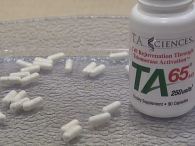
Here we are at the 6 month mark for taking the anti aging supplement TA 65. Many of you remember my last post at 3 months ( TA 65 Results! ). If not, I suggest you go back and read some of the previous posts to get caught up.
This one in particular talks about the biomarker testing : Biomarker Testing – My Aging Telomeres.
In the six months I’ve been taking TA 65, I’ve noticed a marked improvement in my eyesight – I very rarely ever wear my one contact I used to wear for driving. I have some problems with night driving, but otherwise, I’m okay for most things. I have NOT gone to an optometrist to be tested, but I’ll let you know when I do.
The hot flashes are almost all gone – but I couldn’t really say if that was from the TA 65 or not. It could have happened naturally.
My nails are much better – growing quite fast and they almost never break anymore.
I did lose some weight, but I’m not giving the TA 65 credit for that. In fact, I was gaining weight until I made some drastic changes in my diet.
My sleep has improved! I was having terrible bouts with insomnia before. Now, I sleep good on most nights – I still have occasional insomnia problems, but nothing like before. I average about 7 – 8 hours a night now – a vast improvement.
As for the biomarker testing, I did great in the lung capacity testing. So much so, that Dr. Park thinks I must have just figured out how to use the machine correctly. But it’s good to know that my lungs aren’t as poor as we once thought. I have done that test twice with poor results, so it seems unlikely I have made a “miraculous” improvement in only 3 months.
I made the best progress in the SphygmoCor test, which measures the arteries. It appears I’ve had some softening of the arteries. In one marker, I had a 41% drop in the last six months and in another, I had a 22 % drop – taking me from the red zone on the graph to the “normal” range.
As I mentioned before, my vision has improved as was evidenced in the Contrast Sensitivity test. I tested in the normal range without my contacts, whereas before I tested below normal WITH my contacts!
My skin elasticity seems to be about the same as it was at 3 months, which was improved over the initial tests.
I was having some problems with arthritic pain in my hands – and although it still flares up on occasion, it’s not an every morning occurrence anymore.
Overall, I’m pleased with the results with TA 65. As I’ve mentioned before, I don’t have any energy problems or other age-related diseases, so my results are not as “pronounced” as others might have.
Some things to note: Dr. Park said he’s noticed his patients have much better absorption (and results) when they take TA 65 with whole milk (or ice cream) at night. Apparently, the fat helps the TA65 to absorb better. I had not been doing that, so it should be interesting to see if that helps.
We also discussed the new telomere blood test I mentioned in this post: Telomere Testing . Dr. Park is not a fan. He says the test is too broad – and that ONE telomere could be critically short and cause problems, but that wouldn’t show up in this type of test.
If you are interested in discussing whether TA 65 would be a good option for you, get in touch with Dr. Park here:
+++
Guest Post: Building Muscle Promotes Long Term Weight Loss
by GiGi
Every day, thousands of people decide to ‘go on a diet’ and every day thousands of people give up, or cheat, or fail to lose any weight at all. The sad fact is that the majority of people will never succeed in getting the body that they desire to have.
So what is the secret really? How can you break the cycle and actually succeed at losing weight? Well the simple answer is Resistance training…
Hello my name is Muzammil, I am working with the Editor for healthypages.co.uk. I love to write about health and beauty, especially Complementary Therapies, please visit our site for more information Hypnotherapy.The Problem With Diets
Dieting sucks, the aim is to consume less calories than you consume – simple enough. But that means eating less, and not eating unhealthy food.
The biggest problem with this is that people in general, like to eat. Unhealthy food is generally tasty and that means that you need a lot of will power to stick to any kind of diet.
The Other Alternative
Of course the other option is to do lots of cardio, this will increase the amount of energy you get through and assuming your food intake stays about the same, you should lose weight.
Unfortunately, most people don’t like jogging, don’t have the time to go cycling or just generally can’t be bothered. So again, this takes a lot of will power and is hard to maintain.
The Beauty of Building Muscle
The reason that resistance training is the true secret to having the body of your dreams is simple: Muscles require energy just to exist, even when not in use. In other words, the more muscle you have, the more energy your body requires just to keep you ticking over.
The Body Fat Thing
Another point; you don’t really want to lose weight – you want to look good right? You want a flat stomach and toned arms or whatever. Well the real thing that you need to aim for is a lower body fat percentage.
So again, the more muscle you have, the thinner you will look, even if you don’t actually lose any actual fat. You might even gain weight.
Building Muscle
Let’s get one thing clear. Adding a bit of muscle isn’t going to make you look like the hulk. Getting the physique of a body builder takes a lot of work; you are never going to achieve that by accident, so stop using it as an excuse.
Building muscle is all about using your muscles to the maximum strain they can handle so that your body is forced to repair them over and over again.
How to Build Muscle
The simplest thing to do is to start upping the intensity of whatever exercise you already do. So try to run instead of walking – sprint for bursts if possible. When you go swimming, try to do 5 laps as fast as you can, then rest.
Pushing yourself really hard in short bursts like this is called high intensity training and it is incredibly effective at raising your fitness, toning muscle and burning fat.
What else?
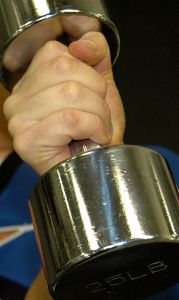
Well ideally, you should think about getting some weights – there is no better way to build muscle than by lifting weights. I would recommend a kettle bell for maximum calorie burning and overall fitness, but dumbbells work well too.
If you refuse to lift weights though, try to get a hobby that tires you out in an intense way; here are some high energy sports to consider:
Rock climbing, skiing, snowboarding, squash (if played well), roller skating, football (strikers especially)
Or alternatively, just create your own high intensity 20 minute workout, include lots of things which require power and try to work you whole body – my personal regime includes; sprinting up and down the stairs, star jumps, press ups, sit ups and three minute long rests to break up the workout.
Summary
The beauty of building muscle as a way to lose weight is that less work gets more results – but you do have to work at it and you have to make sure you are eating healthily to ensure you don’t just cancel out your efforts. If you are new to the whole exercise thing, start slowly and build into a habit and work up from there. You will soon start to feel healthier and you might amaze yourself at the progress you make – especially the first time you realise that you can actually complete a set of press ups! Good luck and enjoy…
+++
Osteoporosis – Not Just an Old Lady Problem
February 16, 2010 by GiGi
Ladies Only! Only! Here’s something a little different from what I normally do. A friend of mine just wrote this great Kindle book called “10 Years Younger in a Weekend” - Look Younger Naturally Anti-Aging Secrets. Sometimes we all fall into the same old rut and don’t even realize our routines are aging us.
If you aren’t familiar with Kindle books – don’t worry! You don’t need a Kindle to read it. Once you download it, you can read it on your computer!
This is all about looking great in a couple of days without any kind of surgery or needles – you just need to follow the simple strategies in the book to see the difference. Here are some things that are covered:
- the 53 things you should never wear, if you want to look youthful
- how to create a fresh, younger look with your clothes, without looking ridiculous
- the easy makeup tricks that make you look years younger (and what to avoid)
- how to make it seem like you lost ten or twenty pounds in 10 seconds
- how to style your hair to take years off
- the essential strategies you need to maintain your youthful look as you get older
You may think you know it all, but I was surprised to find some things I hadn’t thought of before. And reminded of things I had heard before, but forgot.
For most of us, it’s not feasible to go out in a weekend and buy all new clothes, makeup and a new hair style. But if you just take a good look at some of things she mentions, you’ll see areas you can start to improve on.
By doing even a few small self-improvement items, your whole attitude about yourself can change – and that’s the real key to anti-aging and looking younger!
Get it now! 10 Years Younger In a Weekend
+++